




Chic Small Tiles For Bathroom Designs 2026
by Shivam Tayal 07 Apr 2026 0 Comments
A lot of Melbourne bathroom renovations start the same way. You walk into a room that feels tight, dark, awkwardly shaped, and harder to use than it should be. The vanity crowds the doorway, the shower floor never quite drains the way you want, and every finish choice feels like it could make the room either calmer or much busier.
That is where small tiles for bathroom projects often make more sense than people expect. In a compact room, they are not a fallback choice. Used properly, they solve practical problems and add character at the same time. They can help a shower floor grip better, handle tricky angles, wrap neatly around niches and corners, and give an older Melbourne bathroom a finished look that feels considered rather than squeezed in.
Generic bathroom advice rarely deals with local realities. Melbourne homes often bring uneven walls, older plumbing layouts, narrow footprints, and wet areas that need to satisfy Australian slip-resistance and drainage requirements. Those details matter. Good tile selection is not only about colour and trend. It is about where the tile is going, how it will perform, and whether it suits the way your bathroom is built.
Rethinking Your Compact Bathroom Space
You open the bathroom door, turn sideways past the vanity, and realise every choice will be visible at once. In a compact Melbourne bathroom, there is no spare wall, no dead corner, and very little room for a finish that only looks good in a showroom.
Small spaces reward careful decisions. Older terraces and post-war homes across Melbourne often come with tight floorplans, wonky corners, patched walls, and plumbing positions that limit how much can be moved without blowing out the budget. Tile selection has to respond to those conditions, not fight them.
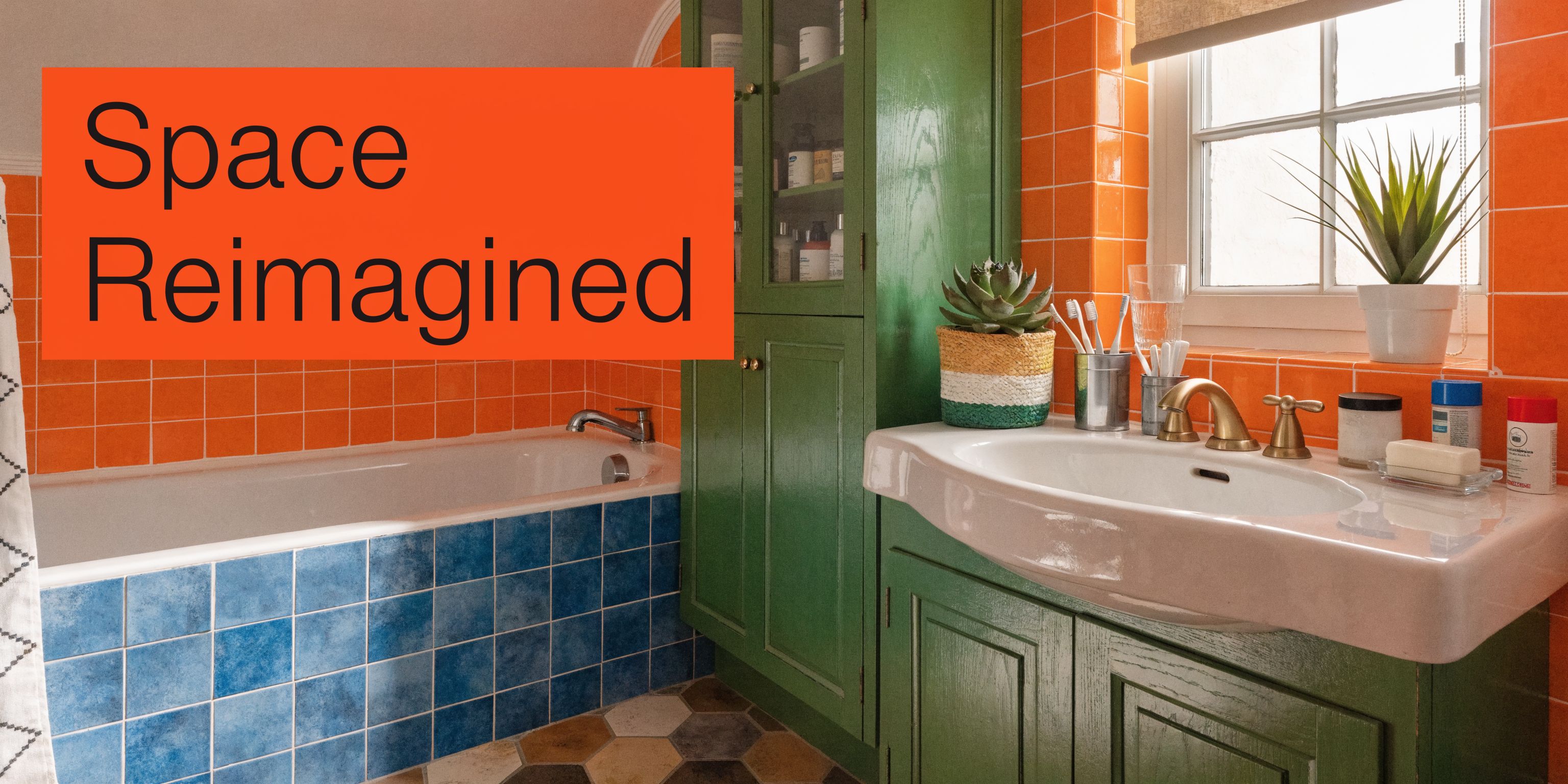
Why compact can still feel polished
A small bathroom can still feel deliberate, refined, and easy to use. The difference usually comes down to scale.
Small tiles help resolve areas that are hard to finish neatly, such as shower bases, nib walls, recesses, and tight returns around a vanity. They also give you more freedom to shape the room visually. A stacked mosaic reads differently from a kit-kat tile, and both create a very different result from a small square laid with a contrasting grout.
That level of control matters in a room this size. Every cut edge shows. Every grout joint lines up or it does not. If proportions are off, the room feels fussy fast.
What homeowners usually get wrong
The first mistake is choosing tile by display board rather than by room shape. A tile can look clean and expensive under showroom lighting, then feel oversized once it is cut around a floor waste, toilet pan, and shower screen.
The second mistake is treating all wall and floor tiles as interchangeable. They are not. The floor has to handle water, cleaning products, bare feet, and regular movement. The walls carry more of the visual load, so the finish, grout colour, and layout need just as much planning.
I also see people focus only on making the room look larger. That is part of the job, but it is not the whole job. A bathroom also has to drain properly, clean up without constant effort, and hold its finish in a damp Melbourne environment.
If you are weighing scale and visual impact, it helps to compare small formats with large-format bathroom tiles and how they change the feel of a room.
In a compact bathroom, good tile choices come from balancing scale, safety, layout, and upkeep from the start.
The Small Tile Advantage Over Large Formats
Both small and large tiles have their merits. The job is to use each where it performs best in a Melbourne bathroom.
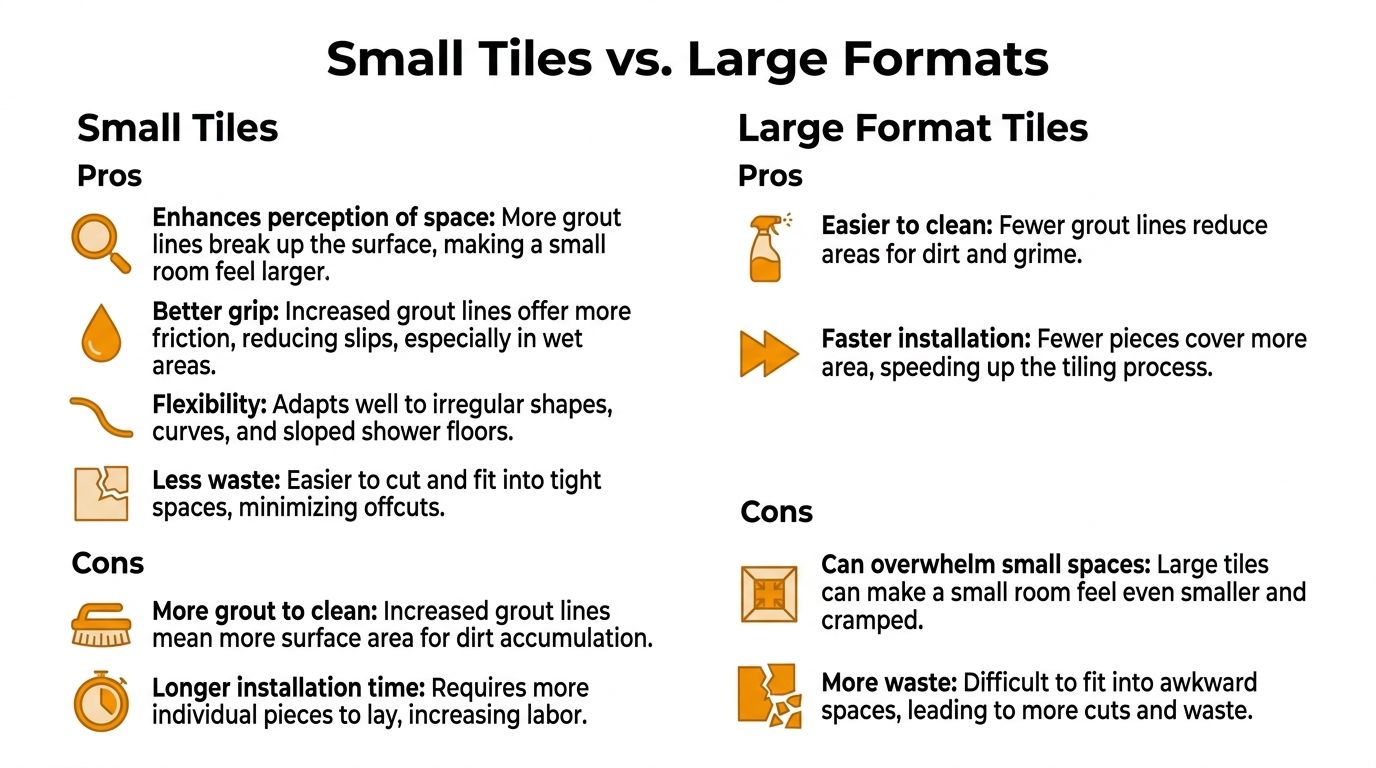
In older inner-suburban homes, I often see floors that are slightly out of square, walls that are not perfectly straight, and shower areas that need careful shaping around wastes and screens. Small-format tiles handle those conditions with less fuss. They follow irregular geometry more naturally, and the finished room usually feels resolved rather than forced.
Where small tiles earn their place
Small tiles are often the better technical choice on floors and detailed surfaces.
More joints give the installer more control over slopes, set-out, and awkward cuts. That matters in compact bathrooms where every fitting interrupts the layout. A large tile can look excellent on a display wall, then become a patchwork of trims and offcuts once it is worked around a toilet pan, vanity leg, nib wall, and floor waste.
Porcelain small formats also suit wet areas well because they are dense, hard-wearing, and practical for daily use. In Melbourne, that matters in bathrooms that stay damp through winter and in homes where seasonal movement can show up in hairline grout cracking before you notice anything else.
A side-by-side view
| Tile type | Better for | Watch-outs |
|---|---|---|
| Small tiles | Shower floors, older bathrooms, curved or irregular areas, feature walls with detail | More grout joints, slower installation, grout selection matters more |
| Large-format tiles | Broad wall areas, simple rectangular rooms, pared-back finishes | Harder to set over falls, more waste from cuts, layout mistakes show quickly |
Why scale changes the result
A small bathroom rarely gives you one uninterrupted surface. The room is broken up by fixtures, corners, recesses, and waterproofing details. In that setting, small tiles can look more settled because the scale matches the room.
That does not mean large tiles are wrong. It means they need the right surface.
A 75x300 subway, penny round, or kit-kat mosaic usually sits comfortably in a compact ensuite or period bathroom. The pattern reads cleanly without asking one oversized tile to do too much in too little space.
Where large formats still work well
Large formats are often the stronger choice on walls where you want a quieter finish and fewer grout joints to clean. They can make a narrow room feel calmer, especially if the layout is simple and the tile size avoids lots of thin edge cuts.
The best bathrooms often mix formats with intent. Small tiles on the floor or in the shower area. Larger tiles on the main wall planes. If you are weighing that combination, this guide to large-format bathroom tiles and where they work best will help you compare the visual and installation trade-offs.
Practical pros and cons
- Small tiles suit complex rooms: They fit around recesses, corners, and older bathroom geometry with less visual tension.
- They are easier to work into detailed layouts: Niches, hob edges, curved walls, and custom features are simpler to finish neatly.
- Repairs are usually more contained: Replacing one damaged small tile is often less disruptive than removing a large-format piece.
There are trade-offs.
- More grout lines mean more upkeep: Good grout selection and sealing matter, especially in family bathrooms.
- Labour usually costs more: Laying many small pieces takes longer and demands tighter set-out.
- Cheap products show their weaknesses quickly: Inconsistent sizing, poor glaze quality, and sloppy sheet mounting are far more obvious with small formats.
In a compact Melbourne bathroom, small tiles often give you better control over layout, drainage, and finish quality, especially where the room shape is working against you.
Strategic Placement for Maximum Impact
Placement decides whether small tiles make a bathroom feel resolved or restless. In Melbourne homes, that decision is rarely just about style. Older floor framing, tight room proportions, shower falls, and wet-area compliance all affect where small formats perform best.
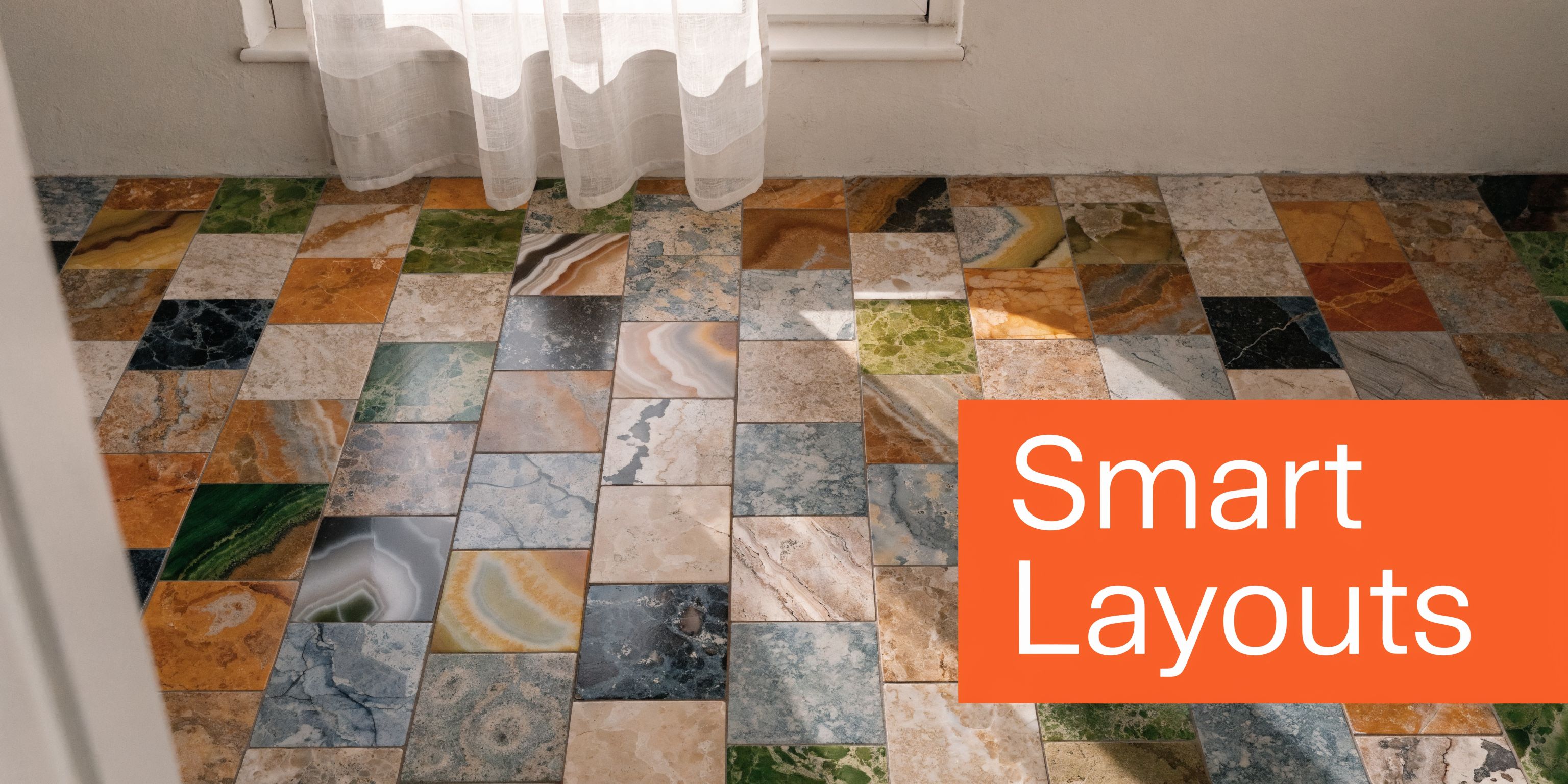
Shower floors
Start with the shower floor. It is usually the most practical place to use small tiles, especially in compact bathrooms where the waste position and floor fall leave little room for error.
In small Australian bathrooms, 25x25mm mosaic tiles on shower floors can achieve Class B or higher, with P4 at 45 or above under AS 4586:2013, because the extra grout lines improve traction and allow the tile to follow a 1:60 slope more effectively. The same source notes a 30% to 50% reduction in pooling risk compared with larger tiles in these conditions (shower floor sizing and slip-resistance guidance).
That lines up with what good installers already know. A small mosaic sheet conforms to the fall far more cleanly than a large tile, so the finished floor drains better and feels safer underfoot.
Best choices on the shower floor
- Penny round mosaics: Good grip and a softer visual finish.
- Square mosaics: Easy to set out and easy to match with most wall tiles.
- Small hexagons: Decorative, but they need tighter planning around wastes and perimeter cuts.
- Textured porcelain mosaics: A sensible choice where slip resistance matters more than visual subtlety.
Main bathroom floor
Outside the shower, the right placement depends on how broken up the room is.
A very small bathroom can handle a full small-format floor if the layout is simple and the tile choice is calm. In a narrow room with fewer interruptions, I usually prefer a slightly larger format outside the shower. That gives you some visual relief while keeping enough joints for grip and cut control around the toilet pan, vanity, and doorway.
The practical rule is straightforward. Use the smaller format where the floor changes direction, drops to a waste, or gets crowded by fixtures. Use a quieter format on the flatter open floor if you want the room to read as one space.
Walls that add texture without closing the room in
Small wall tiles work best where they create a clear zone. A full room wrapped in busy pattern can feel tight very quickly, particularly in many Melbourne bathrooms where natural light is limited and wall-to-wall tiling reflects every line.
The safest placements are the surfaces your eye already expects to read as a feature.
Strong placements on walls
-
Behind the vanity
A vertical kit-kat or stacked finger tile can lift the height of the room and give the vanity wall a proper focal point. -
Inside the shower recess
Texture sits comfortably here because the shower already reads as a separate wet zone. -
Half-wall tiling in older homes
This suits many period and post-war Melbourne homes. Tile below, painted wall above often feels more settled than full-height pattern on every surface. -
One uninterrupted full-height wall
This works best where the wall is not chopped up by windows, doors, or too many fittings.
If you want to compare layouts before committing, this guide to tile patterns for small bathrooms and where to place them will help you avoid a pattern that fights the room.
Niches, ledges, and small moments
Niches deserve restraint.
A contrasting mosaic inside the niche can work well if the rest of the bathroom is quiet. If the floor already carries pattern or colour variation, keeping the niche in the same tile or a closely related finish usually gives a cleaner result.
Window reveals, hob tops, and short returns are also strong candidates for small formats. They wrap neatly around edges and save you from awkward slivers that larger tiles often create in tight details.
Put the most expressive small tile where the eye naturally lands first. Usually that is the shower floor, the vanity wall, or the niche. One or two of those is enough.
A placement mix that works in real bathrooms
For a first renovation, this combination is reliable because it balances safety, maintenance, and visual weight:
- Shower floor: mosaic porcelain
- Main walls: calmer rectangular porcelain
- Vanity splashback or niche: one decorative small format
- Main floor outside shower: a bridging format that does not compete with the feature tile
That mix gives each surface a job. The shower floor handles drainage and grip. The walls keep the room open. The feature area adds character without turning every plane into visual noise.
Mastering Patterns and Grout for a Custom Look
Pattern and grout decide whether small tiles for bathroom spaces feel classic, graphic, soft, or busy. The tile itself is only part of the result.
The pattern controls movement. The grout controls how loudly that pattern speaks.
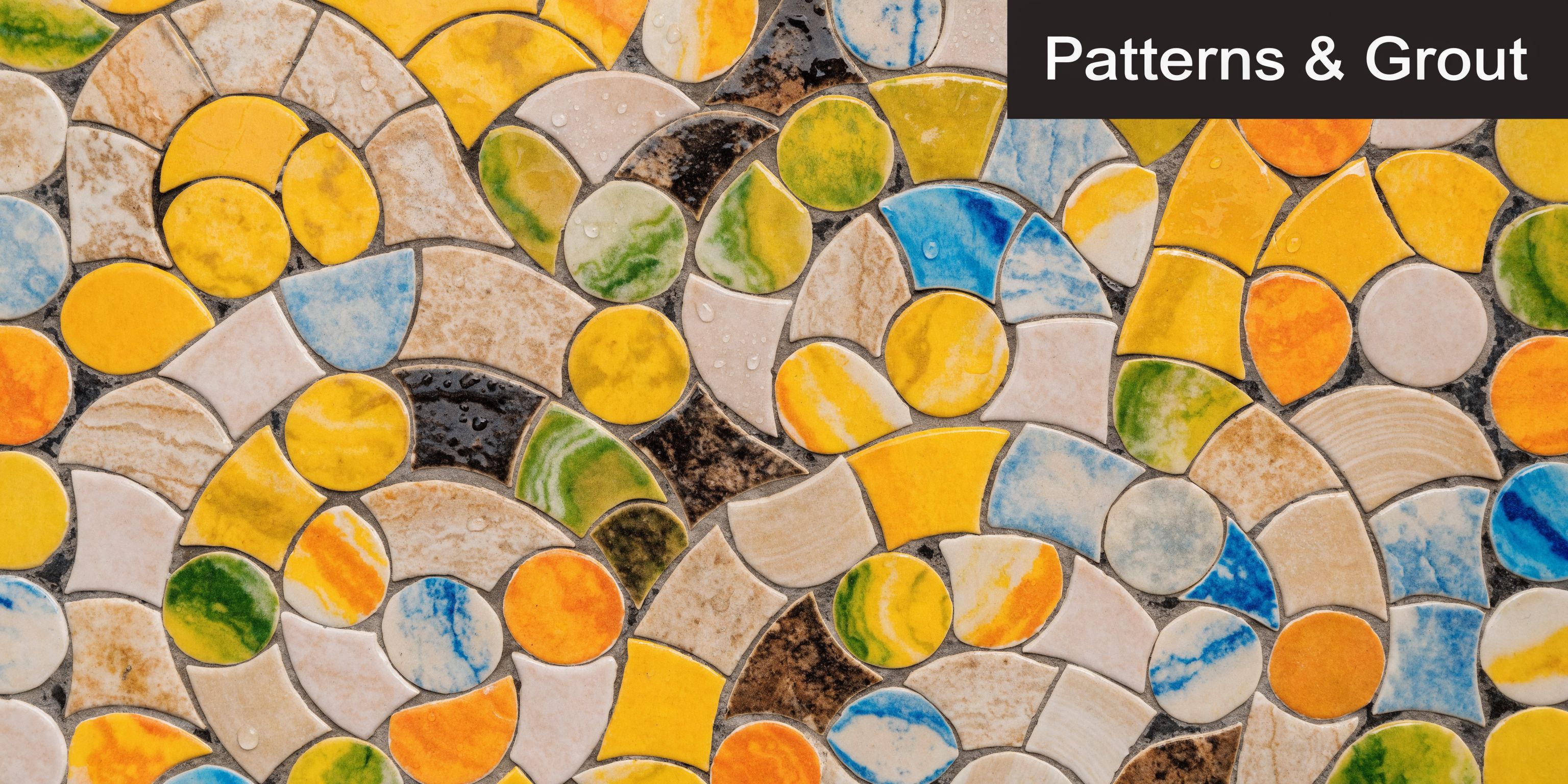
Patterns that suit Melbourne bathrooms
The local preference for patterned small tiles is not random. The cited data notes that adoption of mosaics and 75x300mm subways increased after the 2011 Victorian Floods, with Master Tilers Association data showing a 40% increase in small mosaic shower floor installations by 2015 to meet plumbing code drainage needs. It also says that in Melbourne, where 45% of pre-1980 homes have small bathrooms, renovators show a 68% preference for patterns such as herringbone and hexagon (pattern and adoption details here).
Those numbers line up with what works visually in older homes. Pattern helps a plain bathroom feel designed, and smaller repeated shapes often sit comfortably beside heritage proportions.
Four pattern directions worth considering
Herringbone
Herringbone adds movement. It suits subways, narrow porcelain strips, and marble-look formats.
Use it when the bathroom feels plain or boxy. Avoid it if you already have a busy stone top, patterned floor, and strong tapware finish all competing in the same line of sight.
Stack bond
This is the cleanest way to make a small tile feel modern. Vertical stack bond can draw the eye upward. Horizontal stack bond can make a narrow wall feel wider.
It works especially well with kit-kat, finger tile, and 75x300 subways.
Hexagon
Hex tiles carry more personality than rectangular forms. They can read classic, retro, or contemporary depending on colour and grout.
They are strong on floors and feature walls, but they need disciplined surrounding finishes. If every other element is expressive, hex can push the room too far.
Penny round
Penny rounds soften a space because they remove hard corners from the pattern. They are useful where you want texture without a sharp geometric feel.
Grout is a design tool
Many homeowners choose grout last. That is backwards.
Grout changes the whole read of the tile. Matching grout blends the field into one surface. Contrasting grout outlines every piece and makes the pattern more graphic.
Consider this simple approach:
| Goal | Better grout direction |
|---|---|
| Make the room feel calmer | Match grout closely to tile |
| Highlight the tile shape | Use contrast |
| Hide day-to-day marks better | Mid-tone grout |
| Create a crisp modern grid | Strong, deliberate contrast |
For more layout inspiration, this guide to tile patterns for small bathrooms gives a useful visual starting point.
A common mistake with grout contrast
Black grout with white small tile looks striking in photos. In real bathrooms, it can also dominate the room if used across every wall. The smaller the tile, the more intense the grid becomes.
By contrast, a warm grey grout with off-white porcelain often gives enough definition without making the room feel restless.
A quick visual example helps when choosing layouts and grout relationships:
If you love a bold pattern, quieten the grout. If you love a bold grout line, simplify the tile shape.
Installation and Maintenance in Melbourne's Climate
One reason homeowners hesitate on small tile is simple. They picture endless grout cleaning.
That concern is understandable, but it is often based on older materials or poor installation rather than on small tile itself.
More grout does not automatically mean more trouble
A key point often missed in bathroom advice is grout durability in humid conditions. The referenced guidance notes that while large tiles have fewer grout lines, modern epoxy and sealed grouts used with small tiles can offer superior performance against mould and mildew in Melbourne’s moisture-prone bathrooms, which challenges the assumption that more grout automatically creates more maintenance problems (see the discussion on grout durability in humid bathrooms).
That does not mean every small-tile bathroom is low maintenance. It means the finish depends heavily on the materials and workmanship chosen.
What matters during installation
In Melbourne homes, especially older properties, I would pay attention to substrate preparation before worrying about tile style. Uneven walls, patched render, movement in old floors, and out-of-square corners will show up quickly with small tile because repetition makes alignment more visible.
Key requirements
- Flat substrate: Small tile follows the wall or floor underneath it. If the base is poor, the finished job will look poor.
- Correct falls in wet areas: The shower must drain properly before any tile goes down.
- Appropriate grout selection: Wet areas need grout suited to moisture exposure and ongoing cleaning.
- Thoughtful movement joints: A tiled surface still has to cope with normal building movement.
Day-to-day care that is effective
Maintenance is mostly about consistency, not heavy scrubbing.
A bathroom with small tiles stays easier to manage when moisture is reduced after use. Good ventilation matters. So does cleaning soap residue before it hardens into film across the grout and tile face.
Keep it simple
- Ventilate after showers: Run extraction and let surfaces dry.
- Clean lightly and regularly: Frequent light cleaning is easier than occasional aggressive cleaning.
- Use the right products: Avoid harsh methods that wear down grout or damage sealers.
- Check corners and niche bases: These areas collect moisture first.
Why porcelain remains a practical option
Porcelain is a reliable choice for bathrooms because it handles moisture well and comes in many small formats, from mosaics to slim subways to textured floor pieces. If you are weighing finishes and upkeep, this overview of porcelain tiles, installation, maintenance and applications is a useful reference point.
The maintenance headache usually comes from a poor grout choice, weak ventilation, or a rushed install. Not from the tile being small.
Planning Your Project with Tiles Mate
Good bathroom projects usually stay on track when the selection process is clear from the start. Most problems begin earlier than people think. They start when a homeowner falls in love with a tile photo but has not checked sheet size, grout joint look, slip suitability, lead time, trim compatibility, or how the tile is priced.
Know how tile is sold
Bathroom tiles may be priced per square metre, per sheet, or per box. Before you compare products, make sure you are comparing the same unit.
For small tiles, this matters even more because mosaics can look inexpensive per sheet and less so once you convert that to the area covered. You also want to confirm whether the tile comes as a mesh-mounted sheet, a loose piece format, or a made-to-order pattern.
Ask practical questions before you order
A first-time renovator will save stress by checking a few things up front:
- Batch consistency: Small variations in tone can stand out once many small pieces are laid together.
- Trim and edge options: Not every mosaic or finger tile has a neat matching trim solution.
- Wall and floor suitability: Some small decorative tiles are better kept to walls.
- Grout compatibility: The final look depends on this as much as on the tile itself.
Samples make more sense than showroom guessing
Small tile reacts strongly to light, especially gloss, textured glaze, and irregular surfaces. A tile that looks balanced in a showroom can look completely different under a warm bathroom light, against your vanity finish, or next to your chosen tapware.
That is why sampling matters. Tiles Mate Pty Ltd offers a $15 pack of five samples, along with a free 15-minute design consultation, which helps homeowners compare finishes at home and sort through practical selection questions before ordering. That service is also useful for checking whether a feature tile should stay in the niche, move to the splashback, or be dropped altogether.
If you are working with a builder or tiler
Trade coordination matters with small tile. Your tiler will want to know sheet layout, pattern direction, grout width, trim details, and whether cuts should be balanced from the centre or started from a key edge.
If your project is being run by a builder, designer, or trade professional, make sure the selected tile is communicated early. Small-format choices tend to involve more layout decisions than plain large-format wall tile.
The buying mindset that avoids regret
The safest path is not picking the boldest tile in the room. It is choosing the tile that still looks right once you account for grout, corners, cleaning, and the way your actual bathroom is used.
That usually means narrowing the project down to three layers:
- the safety tile
- the quiet background tile
- the feature tile
If each one has a clear role, the bathroom feels sharper and the buying process gets much easier.
Bring Big Style to Your Small Bathroom
A compact bathroom does not need to settle for safe, flat, or forgettable. The right small tile can make the room feel more resolved because it addresses the space's particular challenges more effectively. It grips where the floor gets wet, wraps where the room gets awkward, and adds detail where plain surfaces would feel lifeless. This underscores a key strength of small tiles for bathroom design in Melbourne homes. They are not only decorative. They are practical tools for solving local renovation problems, especially in older properties and tighter layouts.
The best results usually come from being selective. Use small mosaics where drainage and traction matter. Use wall-mounted small formats where texture or height will improve the room. Use grout deliberately, not as an afterthought. And keep the whole scheme balanced so one strong move can shine.
If you are renovating your first bathroom, this is the part worth remembering. Good tile design is rarely about following one rule. It is about matching the tile to the job. In small bathrooms, that often means small format does more heavy lifting than large format ever could.
A careful selection now will save frustration later. It will also give you a bathroom that feels finished every day, not just on renovation handover.
If you want help narrowing down finishes, comparing samples at home, or checking which small-format tiles suit your shower floor, walls, or niche, explore the range at Tiles Mate Pty Ltd, book the free design consultation, or visit the Truganina showroom to make your choices with confidence.